FOAM ROLLING 101
Foam Rolling 101: When and How it Helps with Recovery
Foam rolling has become a staple in many training environments, embraced by athletes and clinicians looking to support better movement and recovery. As therapists, we often hear that people feel tighter, more fatigued, or less mobile than they’d like—so it’s no surprise that foam rolling has become such a common tool. Many believe it can enhance muscle performance, improve flexibility, and reduce soreness, but a frequent question comes up: Is it better to foam roll before or after a workout?
What is foam rolling?
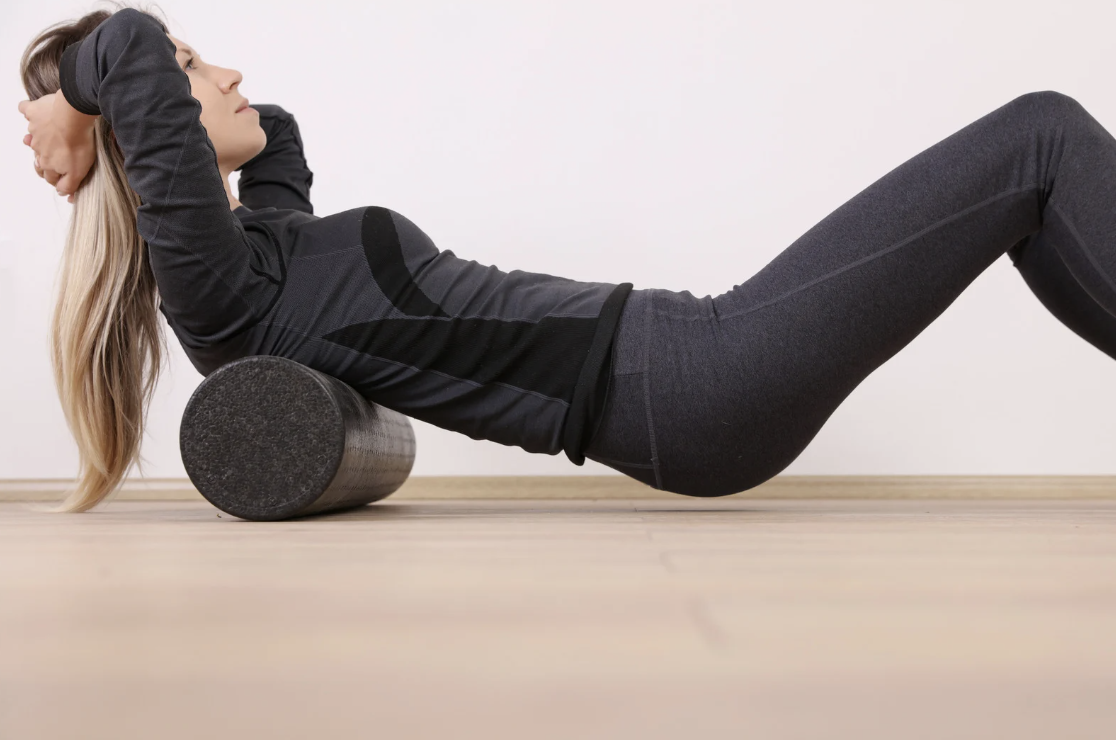
Foam rolling is essentially a form of self-massage. Using a cylindrical foam roller or massage stick, you apply pressure to soft tissues to help them move and function more comfortably. Think of it as giving your muscles a gentle (or sometimes intense!) nudge to unwind tension and improve mobility.
How does it work?
Foam rolling combines mechanical pressure, neurological responses, and physiological effects. Whether you’re an athlete or simply someone trying to feel better in your body, you typically use your bodyweight to apply pressure along the muscle. This creates both direct and sweeping pressure on the tissues—similar to what you might experience during hands-on manual therapy.
Although research is still evolving, several possible mechanisms help explain why foam rolling can feel so effective:
Mechanical effects:
Foam rolling can help loosen adhesions or “knots” in muscles and the surrounding fascia. The pressure helps tissues glide better and can temporarily make them more pliable—a thixotropic response, meaning tissues soften while pressure is applied but return to baseline soon after.
Neurological effects:
Rolling stimulates sensory nerves, which can reduce pain sensitivity. Pressure on nociceptors (pain-sensing nerves) and mechanoreceptors (pressure-sensing nerves) may “dial down” discomfort and reduce protective muscle tension.
Physiological effects:
The friction and stretch from rolling increases circulation, bringing oxygen and nutrients to the area to support recovery. Nitric oxide release may also help widen blood vessels, enhancing blood flow and relaxation. Foam rolling can activate the parasympathetic nervous system as well—your body’s natural “rest and recover” mode.
This improved circulation may also help clear metabolic by-products like lactate more efficiently, supporting post-exercise recovery.
Psychophysiological effects:
Foam rolling may elevate endorphins—the “feel good” hormones—and help shift the body into a calmer, more relaxed state. Many people describe feeling noticeably lighter or more at ease after they roll, which may be part of why it’s become such a popular tool.
When is the best time to foam roll—before or after activity?
Growing research is beginning to map out how foam rolling can support both warm-ups and post-exercise recovery. While we still need more high-quality studies, some consistent trends are emerging:
Before exercise: Foam rolling tends to boost flexibility and improve tissue readiness. Increased blood flow, tissue temperature, and reduced stiffness can help you feel more prepared for movement.
After exercise: Foam rolling appears most helpful for reducing muscle soreness and perceived tightness. This can make the days between training sessions feel more manageable.
Ultimately, the “best” time to foam roll depends on your goal. If you want to move more freely and feel ready for activity, rolling beforehand can be beneficial. If your focus is recovery and reducing soreness, rolling afterward may be the better option. Listening to your body—its tension, fatigue, and overall readiness—can guide how you incorporate foam rolling into your routine.
References:
Wiewelhove, T., Doweling, A., Schneider, C., Hottenrott, L., Meyer, T., Kellmann, M., Pfeiffer, M., Ferrauti, A. (2019). A Meta-Analysis of the Effects of Foam Rolling on Performance and Recovery. Front Physiol. 10:376. https://doi.org/10.3389.
Warneke, K., Aragao-Santos, J. C., Alizadeh, S., Bahrami, M., Anvar, S. H., Konrad, A., Behm, D. G. (2023). Are Acute Effects of Foam-Rolling Attributed to Dynamic Warm Up Effects: A Comparative Study. J Sports Science Med 22(2): 180-188. https://doi.org/10.52082
Casado, D., Nacher, I., Pardo, J., Reina, J. (2025). Effectiveness of a Foam Roller Warm-Up in Professional Basketball Players: A Randomized Controlled Trail. IJSPT 20(1): 2159-2896.. https://doi.org/10.26603
Book your Athletic Therapy appointment today!
BROWSE ALL POSTS