Protein in Perimenopause: What Matters Beyond the Hype
“What’s happening to my body? I’m not doing anything differently.”
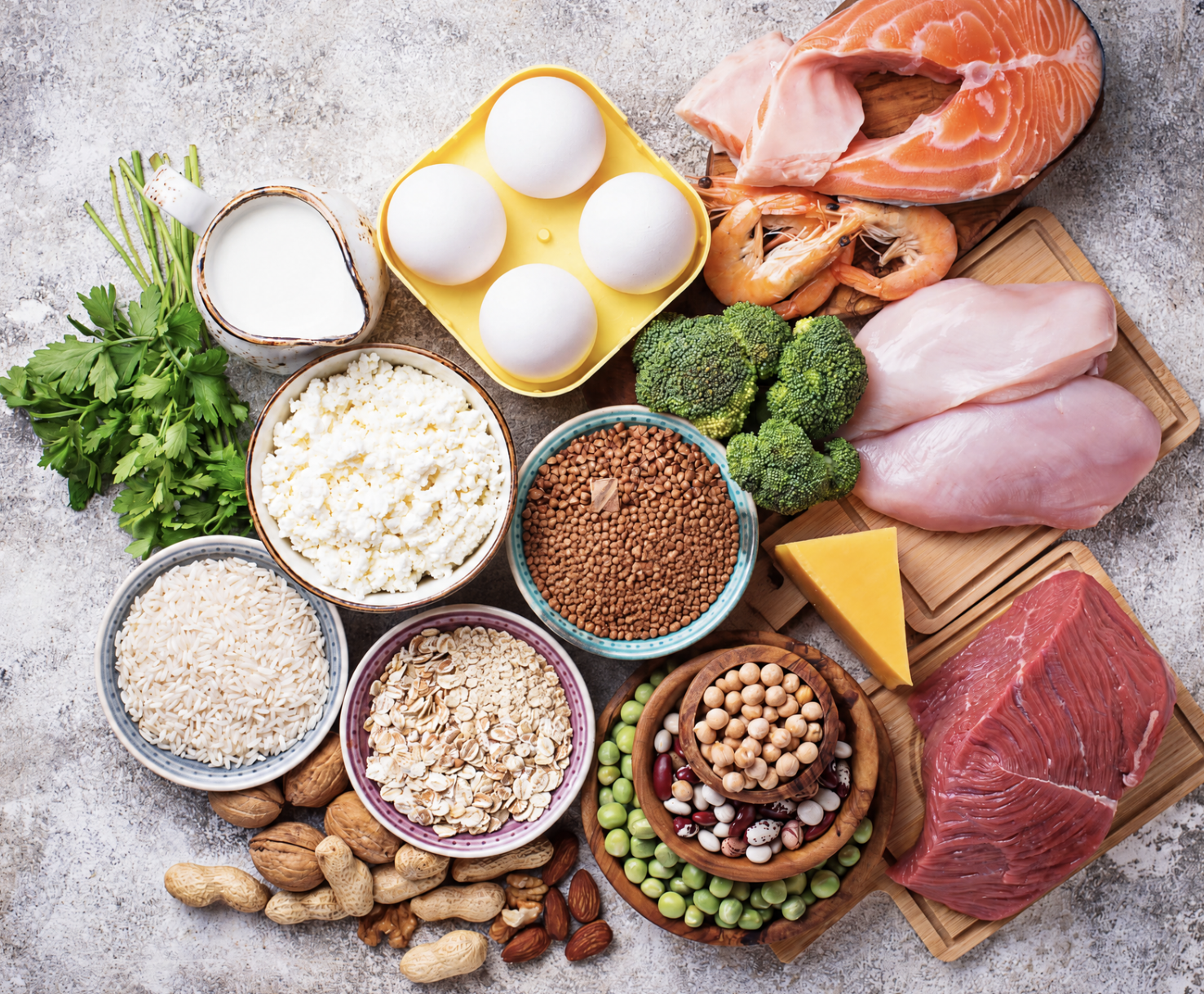
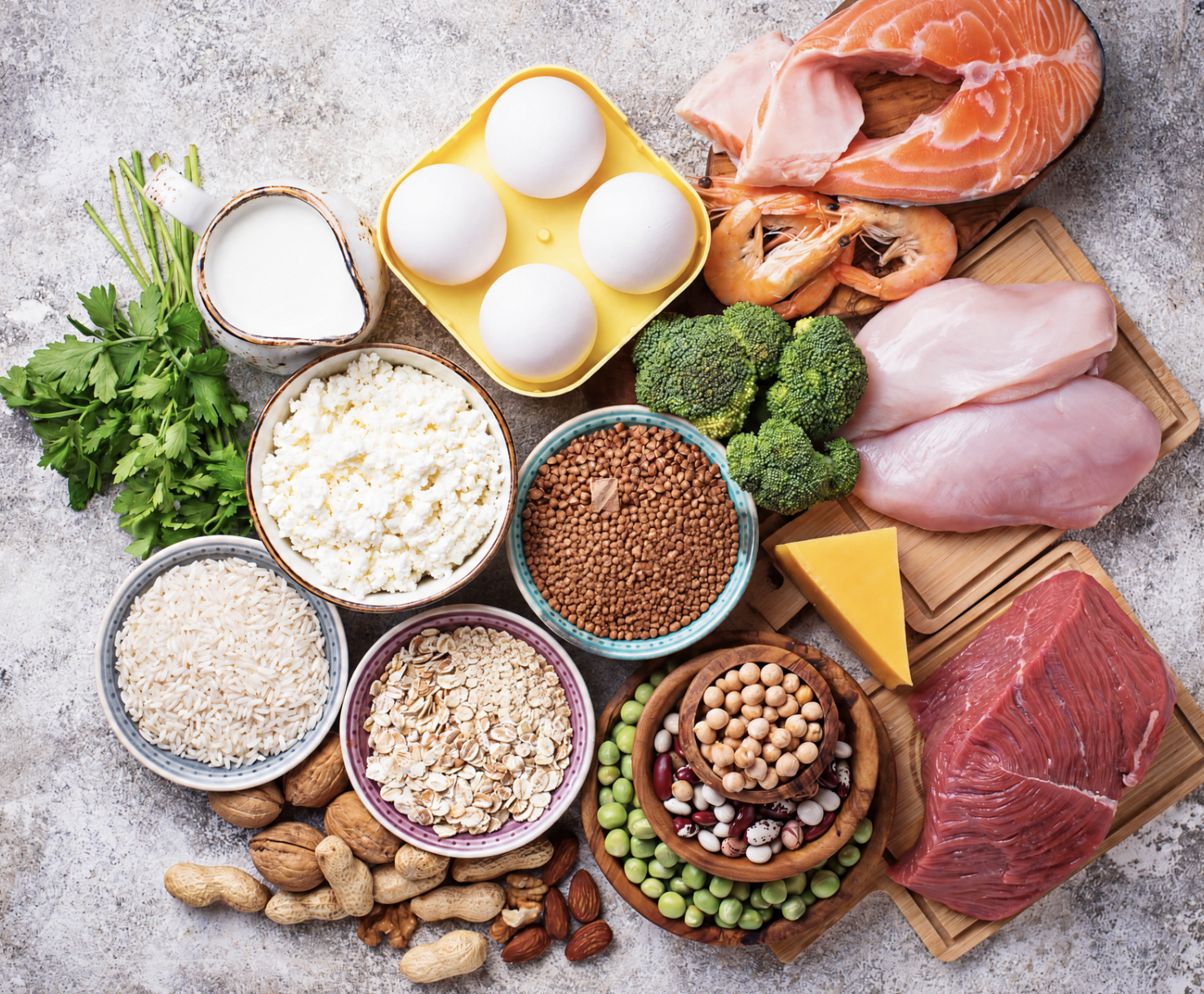
If you’re navigating perimenopause, this thought may sound familiar. Changes in your body can leave you wondering whether you need to change how you eat. With so much attention on protein, it’s understandable to ask whether you’re getting enough.
Protein is everywhere: social media, wellness brands, and food packaging. It’s also being added to chips, cereals, and other foods, then highlighted on the label to make those products seem healthier. This creates a “health halo,” even though added protein doesn’t necessarily make a food more nutritious overall.
Then there are foods like Greek yogurt. It hasn’t suddenly gained more protein. Many products that have contained protein all along are now advertising it more prominently because protein sells. When every package seems to be telling you to get more, it’s understandable to wonder whether your usual meals are enough.
Add in advice to eat amounts that seem almost impossible without powders and bars, and figuring out what you actually need can become confusing.
Why that amount?
Before aiming for a high protein target, it helps to ask: “What’s the goal?”
You may have heard advice to eat one gram of protein per pound of body weight from a personal trainer, in a nutrition article, or on social media. For many women, that means 150 grams or more each day. There are circumstances where higher targets make sense, but being in perimenopause doesn’t automatically mean that target is right for you.
Your protein needs depend on your health, activity, goals, and overall food intake. Looking at what you already eat is a useful first step. You may not be far from where you need to be.
Why protein matters
During the menopause transition, women can experience changes in body composition, including a loss of lean mass. Preserving muscle is an important part of maintaining strength and function as you age.
Your body is built from the food you eat. Adequate protein provides the building blocks for maintaining and repairing muscle.
Strength training belongs in this conversation, too. Resistance exercise stimulates muscles to adapt, and adequate protein supports that process. That doesn’t mean you have to take on both at once. If nutrition feels like something you can work on right now, getting enough protein is a worthwhile place to start.
Protein also helps meals feel satisfying and can help you stay full for longer. During the menopause transition, hormonal changes and shifts in body composition can make the body less responsive to insulin, the hormone that helps move glucose from the blood into cells. This can make blood sugar harder to regulate. Including protein alongside carbohydrate foods can help moderate the rise in blood sugar after a meal. It’s one useful part of supporting blood sugar management, alongside fibre-rich foods, movement, and overall eating habits.
Take a look at breakfast
Alongside your total protein intake, consider how it’s spread throughout the day. Breakfast is a common meal to struggle with, since many typical breakfast foods provide relatively little protein on their own.
You don’t necessarily need a different breakfast. Try building on what you already enjoy:
Oatmeal or overnight oats: Add Greek yogurt on top, or stir in nut butter. Nuts and seeds contribute some protein, along with fibre and texture.
Toast: Add eggs and cheese.
Cereal: The milk matters. Dairy or soy milk generally provides more protein than almond or oat beverages. Nuts, seeds, or a granola containing them sprinkled over cereal can add a little more. You could also add an egg on the side.
Smoothies: Greek yogurt is an easy addition. Silken tofu is affordable and blends into a creamy texture without changing the flavour much. Nut butter or cooked lentils are other options if you’re feeling adventurous for a smoothie.
Protein powders and bars can be useful, but they aren’t a requirement for meeting your needs.
Where would you like to start?
At this stage of life, you may be managing symptoms and health concerns while raising children or caring for ageing parents. Making nutrition changes can feel overwhelming when there’s already so much going on.
A dedicated appointment with a registered dietitian gives you time to talk through these concerns, understand what’s relevant to your health, and decide where to start. Recommendations can build on your current habits and the foods you enjoy, with changes that feel manageable.
If you’d like help understanding your protein needs or navigating nutrition in perimenopause, book an appointment with Chelsea, our registered dietitian at Spire.
Book a Dietitian appointment today!
BROWSE ALL POSTS